Sun exposure triggers a predictable chain reaction in skin: ultraviolet (UV) light boosts reactive oxygen species (ROS), activates pro-inflammatory pathways, and perturbs the outer lipid barrier. The skin’s own endocannabinoid system (ECS) also shifts under UV stress—keratinocytes and fibroblasts show increased inflammatory mediators—creating a rationale for cannabinoid-based topicals that calm oxidation and inflammation while supporting barrier repair.
CBD: antioxidant and anti-inflammatory support
Cannabidiol (CBD) is the best-studied non-intoxicating cannabinoid in dermatology. Preclinical models demonstrate that CBD reduces UV-induced ROS, down-regulates NF-κB–linked cytokines, and promotes pro-healing biology. Contemporary cosmetic-dermatology reviews synthesize these findings, noting moisturizing, anti-acne, wound-healing, and skin-protective effects—while emphasizing that large, controlled human trials remain limited. Collectively, the data position CBD as a sensible after-sun adjunct to help calm erythema and oxidative stress.
CBG: emerging anti-inflammatory promise
Cannabigerol (CBG) has a smaller evidence base but is rapidly gaining attention. In vitro and animal work shows CBG suppresses key inflammatory signals (including the NF-κB axis), counters lipid-peroxidation markers associated with UV-stressed keratinocytes, and improves barrier-related factors in dermatitis-like models. A 2025 in vivo study further reported that CBG alleviated atopic-dermatitis-like symptoms while normalizing skin-barrier metrics, reinforcing its potential as a calming active for irritated, sun-exposed skin pending clinical trials in healthy volunteers.
Hemp seed oil: barrier-first hydration and resilience
Hemp seed oil is not a cannabinoid extract; it’s the cold-pressed oil of the seed, naturally rich in essential fatty acids that the stratum corneum uses to rebuild its barrier—especially linoleic (omega-6) and α-linolenic (omega-3), commonly near a ~3:1 ratio, with smaller amounts of γ-linolenic (GLA) and stearidonic acids. Dermatology and nutrition-dermatology literature links these lipids to reduced transepidermal water loss (TEWL) and improved dryness; a randomized trial found that dietary hempseed oil improved atopic dermatitis symptoms and shifted fatty-acid profiles in a barrier-supportive direction. While that study was oral rather than topical, it complements reports that plant oils high in linoleic acid can aid barrier repair—useful after sun when the barrier is compromised.
Formulation and how to use them together
For post-sun comfort, a simple routine can layer these roles: start with a gentle, fragrance-free moisturizer containing hemp seed oil to replenish lipids and trap water; add a leave-on serum or cream delivering quantified CBD (and, where available, CBG) to address oxidative and inflammatory cascades; and resume strict photoprotection the next morning. Because cannabinoids are relatively large and lipophilic, delivery matters—nano- and micro-encapsulation strategies are being studied to enhance skin penetration and bioavailability, though standardized clinical endpoints are still developing. Choose products from brands that share their delivery approach and publish independent lab data.
Safety and smart purchasing
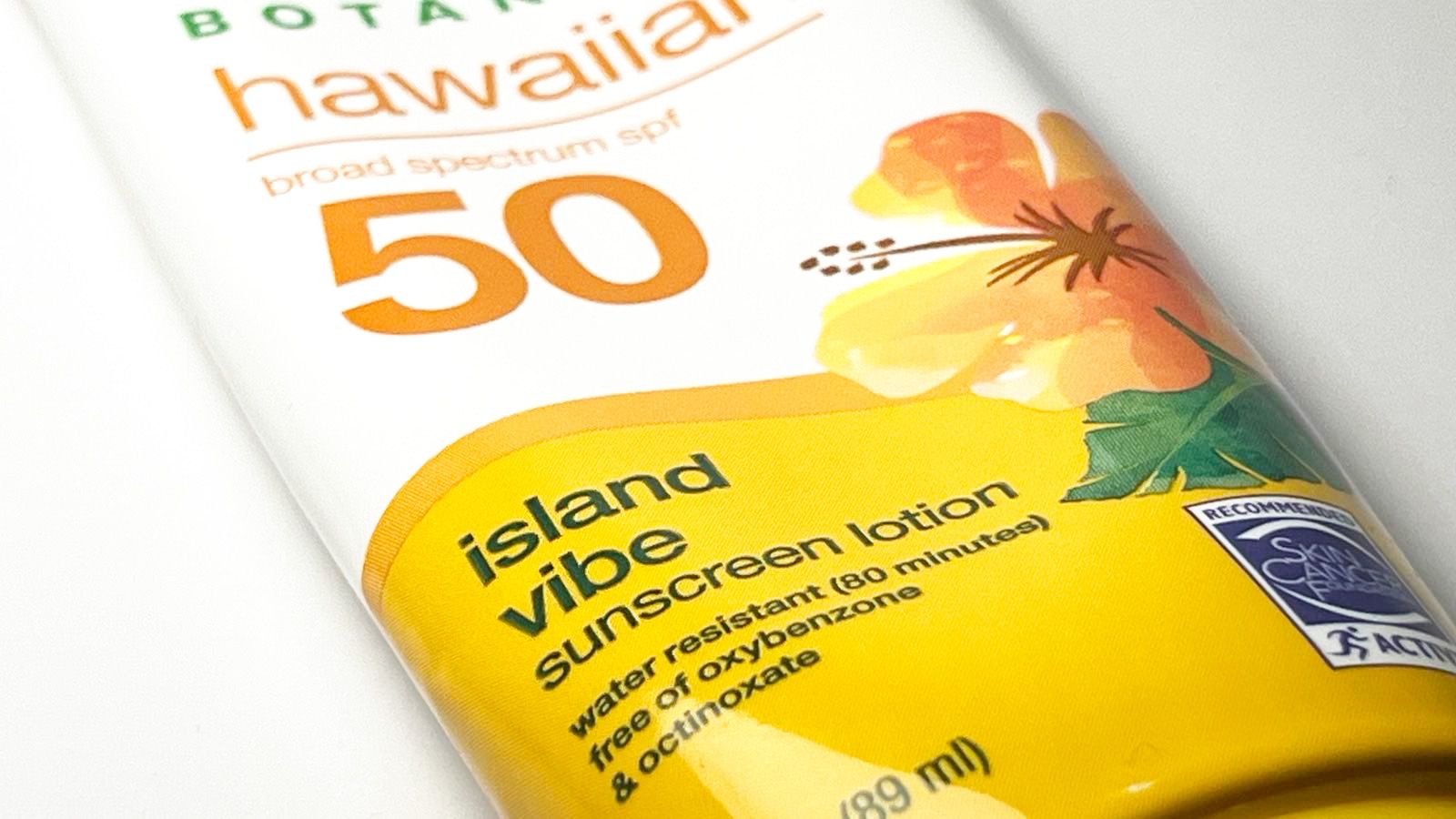
Reviews consistently caution that marketing can outpace evidence. Look for clear milligram amounts of CBD/CBG per container, a recent certificate-of-analysis (COA) confirming identity and the absence of contaminants (heavy metals, residual solvents), and avoid fragrances or known irritants on freshly sun-stressed skin. Most importantly, cannabinoids are not substitutes for sunscreen: broad-spectrum SPF 30+ (or higher), shade, protective clothing, and reapplication remain the foundation of skin recovery—cannabinoids and hemp seed oil are best viewed as supportive after-sun care to calm redness, replenish lipids, and reduce oxidative burden while the skin repairs itself.