If you’ve thought about whipping up a cannabis-infused sunscreen at home, pause. Dermatology groups warn that homemade sunscreens aren’t reliably protective and can leave skin vulnerable to burns and skin cancer because they lack validated SPF and UVA coverage. That’s the American Academy of Dermatology’s position.
Why DIY sunscreen fails the lab test
Sunscreen is regulated in the U.S. as an over-the-counter drug with strict requirements for SPF testing and “broad spectrum” labeling to confirm UVA as well as UVB protection. Those safeguards can’t be assured in a kitchen recipe, even if you add zinc oxide or mix in oils. Plant oils sometimes cited in DIY formulas show, at best, very low SPF values in vitro—typically single digits—nowhere near daily defense.
Where cannabis fits (and where it doesn’t)
CBD and hemp seed oil bring interesting skin benefits: antioxidants, anti-inflammatory effects, moisturization, and barrier support from essential fatty acids. Those properties can comfort stressed skin—but they do not turn a cream into a tested sunscreen or guarantee measurable UV protection. Emerging delivery science (including nano-encapsulation) may improve penetration and stability; still, that’s promising for recovery, not a substitute for formal SPF/UVA testing. These innovations are exciting for cosmetics and after-sun care, but they do not create UV filtering where none exists.
A safer “DIY” approach
If you’re determined to go hands-on, keep the protective step non-DIY and reserve cannabis for supportive care:
• First, apply a commercial, broad-spectrum SPF 30+ as directed, and reapply every two hours or after swimming/sweating. That ensures proven UV defense.
• Then, layer a separate cannabis-enriched moisturizer on top or use it as an after-sun soother; patch-test to avoid irritation.
• Add physical strategies—UPF clothing, wide-brim hats, shade—because no sunscreen is perfect alone. DIY formulas especially fall short here.
What to look for in store-bought sunscreens
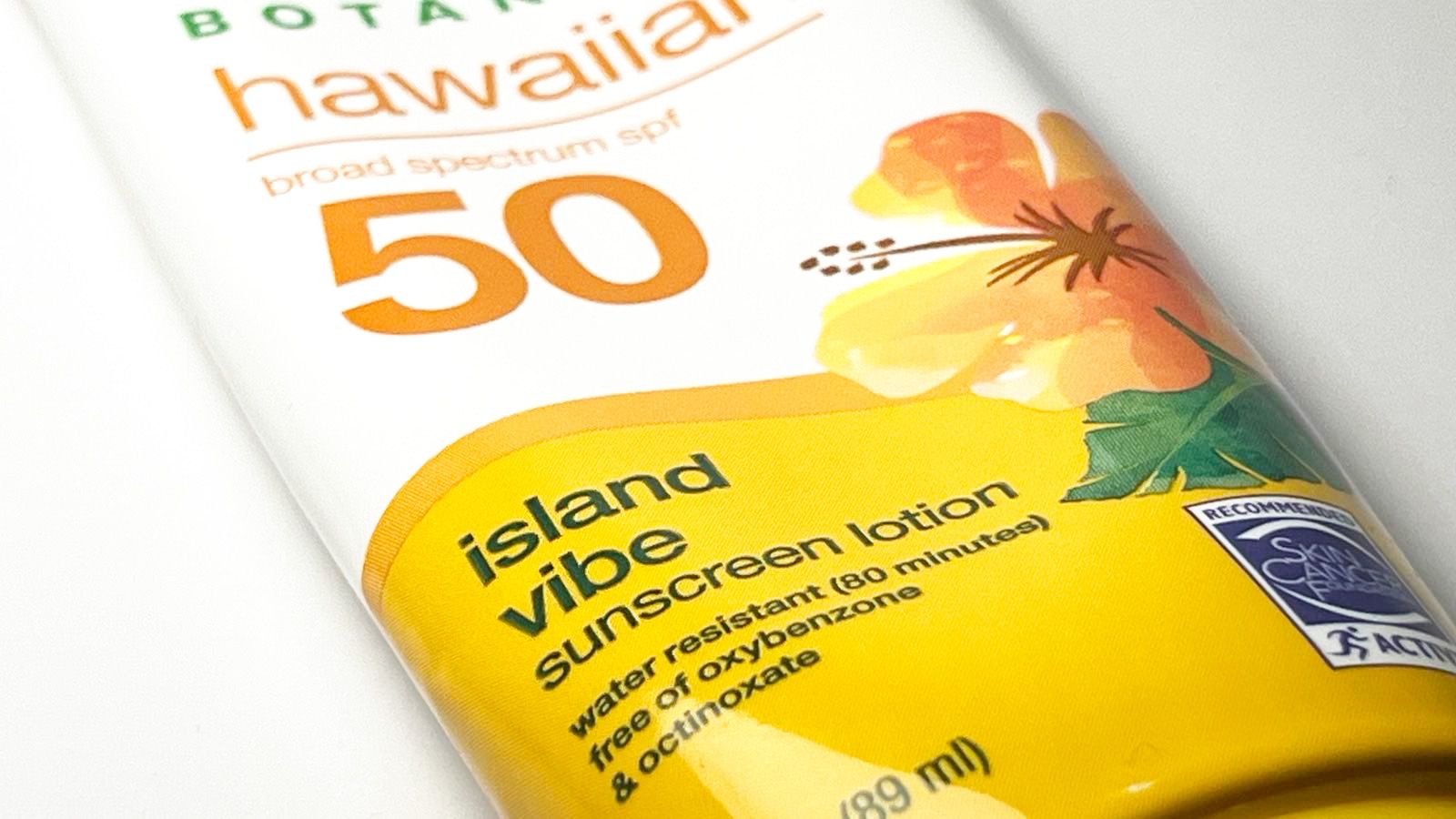
Seek “Broad Spectrum SPF 30 (or higher),” suitable water resistance (40/80 minutes), and a Drug Facts panel listing active filters such as zinc oxide or avobenzone. Those signals indicate the product met FDA labeling and effectiveness rules tied to UVA and UVB protection.
Should you add CBD oil to sunscreen you already own?
Dermatologists advise against altering finished sunscreens: you can dilute or destabilize the formula, compromising the balanced filters and film formers that keep actives evenly dispersed on skin. You also void the product’s tested SPF and water-resistance claims. Expert groups have cautioned consumers not to rely on homemade blends circulating on social media.
Public-health perspective
Cancer centers and dermatology organizations note that consumers cannot verify SPF, UVA coverage, or photostability at home; DIY sunscreen increases risk. Treat viral “natural sunscreen” recipes as entertainment, not medical advice.
Parting Light
Cannabis ingredients can be meaningful adjuncts in a sun-smart routine, but they are not UV filters and won’t deliver lab-verified SPF or broad-spectrum coverage at home. For protection, use a tested, broad-spectrum SPF 30+ sunscreen and smart sun habits; keep cannabis for comfort, repair, and skin wellness around the edges—before or after the sun, not as your shield. When in doubt, follow dermatology and FDA guidance rather than a viral DIY.